
In this Article
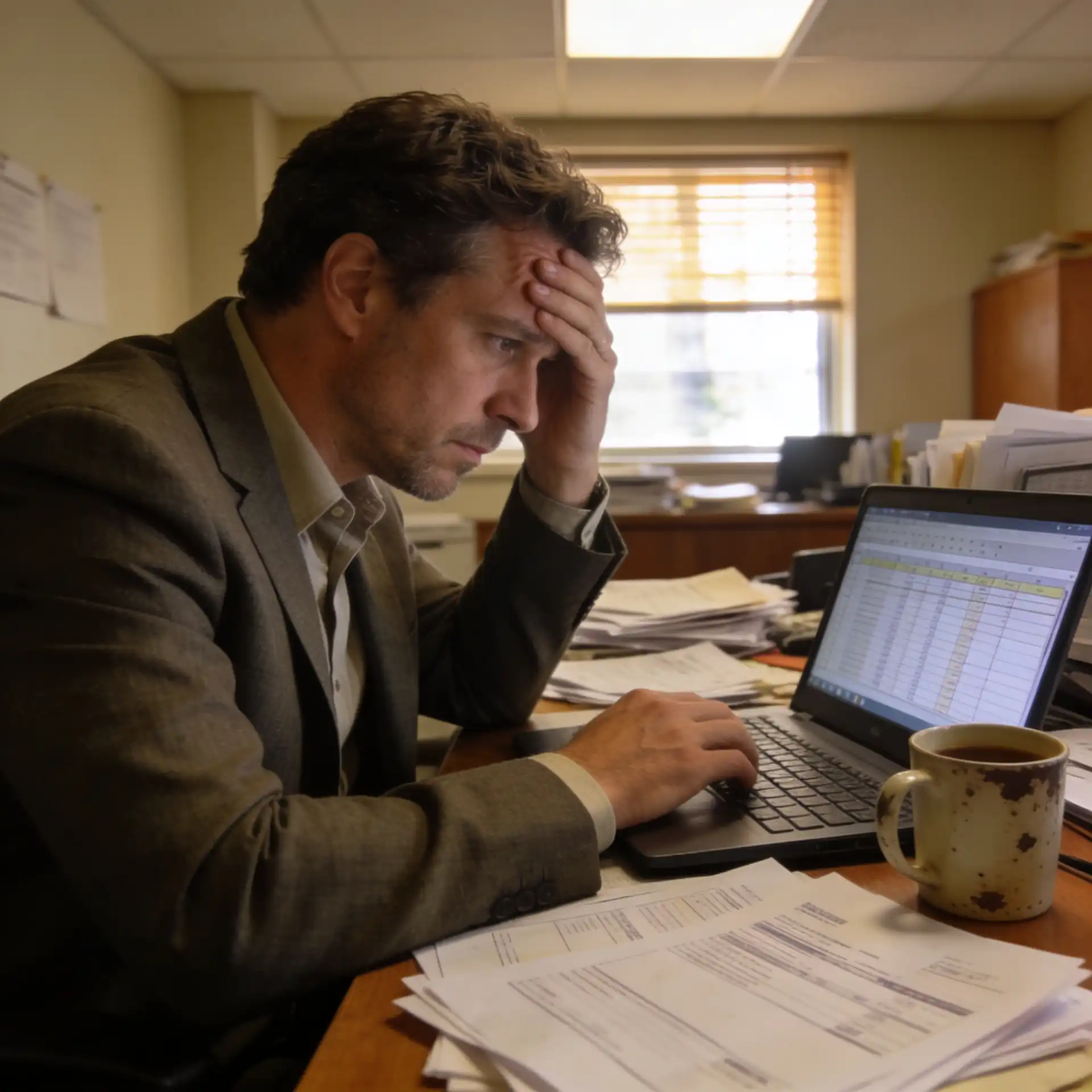
You started your business to do what you’re good at. Not to spend Sunday nights untangling eight months of transactions in a spreadsheet.
But here you are.
If you’re a small business owner in New Jersey juggling invoices, payroll, and bank reconciliations on top of actually running your business, that chaos has a price tag. And it’s usually bigger than most owners realize until tax season hits and they’re suddenly scrambling.
A bookkeeper isn’t a luxury for businesses with big budgets. For many NJ small businesses, it’s the difference between a smooth tax season and chaos.
Here Are Seven Signs Your Business Has Outgrown DIY Bookkeeping
Sign #1: You Don’t Know Your Real Profit at Any Given Moment
Ask yourself right now: after all expenses, what did your business actually earn last month?
If you had to guess or open three different apps to find out, that’s a problem. A professional bookkeeper produces accurate profit and loss statements on a regular schedule so you always know where you stand. Without that, you’re making decisions blind, taking on projects you can’t afford to staff, missing payroll by a few thousand dollars, or drawing a salary that quietly drains your reserves.
⚠️ NJ Business Owner Alert: Most NJ business owners with pass-through income (LLCs, sole proprietors, S-corp owners) may need to make quarterly estimated tax payments to the NJ Division of Taxation. Without accurate income figures throughout the year, you’re guessing at those payments, and guessing wrong comes with interest and penalties. (nj.gov/treasury/taxation)
Sign #2: Your Books Are Weeks (or Months) Behind
Falling behind on bookkeeping is the most common problem we see with small business owners in NJ. It’s also the most dangerous.
When records fall behind, you lose visibility into your cash flow. You can’t accurately invoice clients. And your accountant ends up spending expensive hours cleaning up what should have been routine monthly work. Catch-up bookkeeping exists as a service because the problem is widespread, but the better outcome is never needing it.
Sign #3: Tax Season Feels Like a Crisis Every Year
You know the feeling. Your accountant sends over a document request, and suddenly you’re hunting for receipts from eight months ago, reconciling accounts you haven’t opened since January, and trying to remember what a particular transaction even was.
Tax-ready books are a year-round project, not a January sprint.
A bookkeeper keeps records organized and properly categorized throughout the year. That means your CPA spends less time on cleanup, which translates directly into lower accounting fees and fewer surprises at filing time.
💡 Pro Tip: New Jersey’s 6.625% sales tax rate applies to most taxable goods and services, and businesses must collect and remit it on a set schedule. If your bookkeeping isn’t tracking sales tax separately, you may be underreporting, and the NJ Division of Taxation takes that seriously.

Sign #4: You’re Using Accounting Software, But You Don’t Trust What It’s Showing You
Software is a tool. A bookkeeper is a professional. Those are different things.
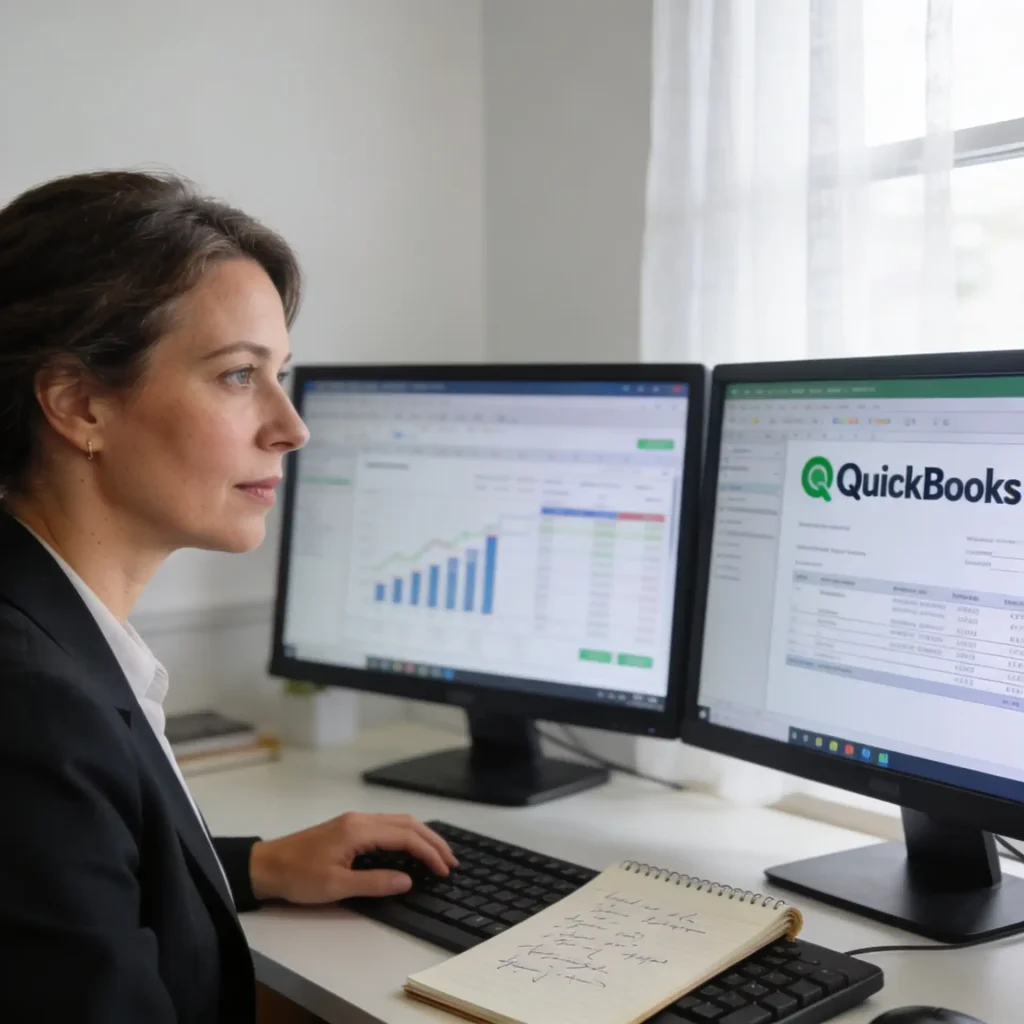
Many NJ small business owners set up accounting software like QuickBooks and then gradually lose confidence in their data. Transactions get miscategorized. Bank feeds fall out of sync. Reports exist, but you’re not sure you can trust them. QuickBooks won’t reconcile your accounts, catch duplicate entries, or recognize that a client payment was actually a partial refund. A skilled bookkeeper does all of that, and turns the software from a confusing dashboard into something you can actually rely on.
Using accounting software without a professional behind it is a bit like owning a car you’re not sure has working brakes.
Sign #5: You’ve Mixed Personal and Business Finances
This one’s more common than most business owners want to admit.
Early on, it’s easy to swipe a personal card for a business expense or deposit a client check into a personal account. Once the habit forms, though, it creates a mess of documentation, and for NJ LLCs and S-Corps, keeping finances separate isn’t just good practice; it’s part of maintaining your liability protection.
⚠️ NJ Business Owner Alert: Mixing personal and business funds can put your LLC’s liability protection at risk, a concept courts refer to as “piercing the corporate veil.” New Jersey courts have ruled against business owners who failed to keep this separation.
A bookkeeper can clean up commingled records, establish a clear separation going forward, and set up the account structure your business should have had from day one.
Sign #6: You’re Losing Money You’re Not Tracking
Are you consistently following up on unpaid invoices? Do you know right now which clients owe you money, and for how long?
Accounts receivable management is one of the most valuable things a bookkeeper handles. In New Jersey, overhead costs are already high, which include rent, labor, and state taxes. Also, uncollected revenue hits harder than it does in lower-cost states.
On the other side, are you paying for things you shouldn’t be? Duplicate subscriptions, vendor overcharges, and auto-renewals for tools you’ve stopped using are easy to miss when no one reviews accounts payable regularly. A bookkeeper catches these things. For many small businesses, that’s the most direct return on investment they see.
Sign #7: You’re Growing, and Your Old System Isn’t Keeping Up
Growth is the goal. But growth without financial infrastructure creates risk.
When you hire your first employee, you need payroll. When you bring on new vendors, you need to track purchase orders. When revenue climbs, your New Jersey tax obligations get more complex. None of it’s insurmountable, but a spreadsheet or solo effort simply can’t handle it.
Whether you’re running a growing service business in Middlesex County, a retail shop in Bergen County, or a trade operation at the NJ Shore, the moment your business starts to scale is the moment bookkeeping needs to scale with it.
Outsourced bookkeeping in NJ, including virtual bookkeeping services, is a flexible way to get professional support without committing to a full-time hire.
Conclusion: If Anyone of These 7 Signs Are Affecting Your Business, It’s Time to Act
These signs aren’t warnings about a catastrophe. They’re early signals that your business has grown beyond what DIY bookkeeping can handle. Most small business owners in NJ who hire a professional bookkeeper say the same thing: “I wish I’d done this sooner.”The longer disorganized books go unaddressed, the more expensive the fix becomes. Catch-up bookkeeping, penalty abatement, and emergency accounting work all cost significantly more than consistent monthly bookkeeping from the start. At The Chamberlain Accounting Firm, we specialize in tax preparation and strategic planning for self-employed individuals, small businesses, and law firms. Our services include individual (Form 1040) and business returns (Forms 1065, 1120, 1120S), full-service bookkeeping, and year-round tax advisory. We serve clients in Bergen County, New Jersey, and across the U.S. Call us at (201) 371-3344 or reach out to schedule a consultation.
Frequently Asked Questions
It varies by scope, but most NJ small businesses pay between $300 – $1,000/month for outsourced or virtual bookkeeping, far less than the cost of catch-up work, penalties, or extra CPA hours from disorganized records. But costs vary significantly based on the volume of transactions, the complexity of your industry, and whether you require additional services such as payroll or tax preparation.
Technically yes, but it's usually expensive and inefficient. CPAs are trained for tax strategy and filing, not day-to-day transaction management. A bookkeeper handles the ongoing recordkeeping so your CPA can focus on higher-level work, which typically lowers your total accounting costs.
Bookkeeping is the ongoing process of recording and organizing financial transactions, including invoices, expenses, payroll, and reconciliations. Accounting uses that data to analyze performance, file taxes, and advise on financial decisions. You need clean books before any meaningful accounting can happen.
If you don't know your real profit off the top of your head, your books are falling behind, or tax season feels like a crisis every year, those are clear signals you've outgrown DIY bookkeeping. The sooner you act, the less expensive the fix.
Software is a tool, a bookkeeper is a professional. Without someone managing it, transactions get miscategorized, bank feeds fall out of sync, and reports become unreliable. A skilled bookkeeper turns your accounting software into something you can actually trust.
Yes. Virtual and outsourced bookkeeping services offer flexible, professional support without the cost of a full-time hire. For most small businesses, the savings from caught errors, avoided penalties, and reduced CPA cleanup fees more than cover the cost.
Disclaimer: This article is provided for general informational purposes only and does not constitute accounting, tax, or financial advice. The information contained herein is not intended to be relied upon for specific tax, accounting, or financial decisions, and may not reflect current tax law or guidance. No opinion expressed herein may be used for the purpose of avoiding penalties under federal, state, or local tax laws. Readers should consult with a qualified accounting or tax professional regarding their specific circumstances. This communication does not create an accountant-client or advisory relationship.