

In this Article
Filing a Form 1065 requires careful attention to specific IRS rules. Even small errors can trigger IRS notices, penalties, or delays for partners.
Many of the most common issues arise from a misunderstanding of annual reporting requirements rather than from the day-to-day operation. By focusing on accurate reporting, complete documentation, and proper timing, partnerships can avoid costly mistakes and ensure a smooth filing.
Electronic Filing Options for Form 1065
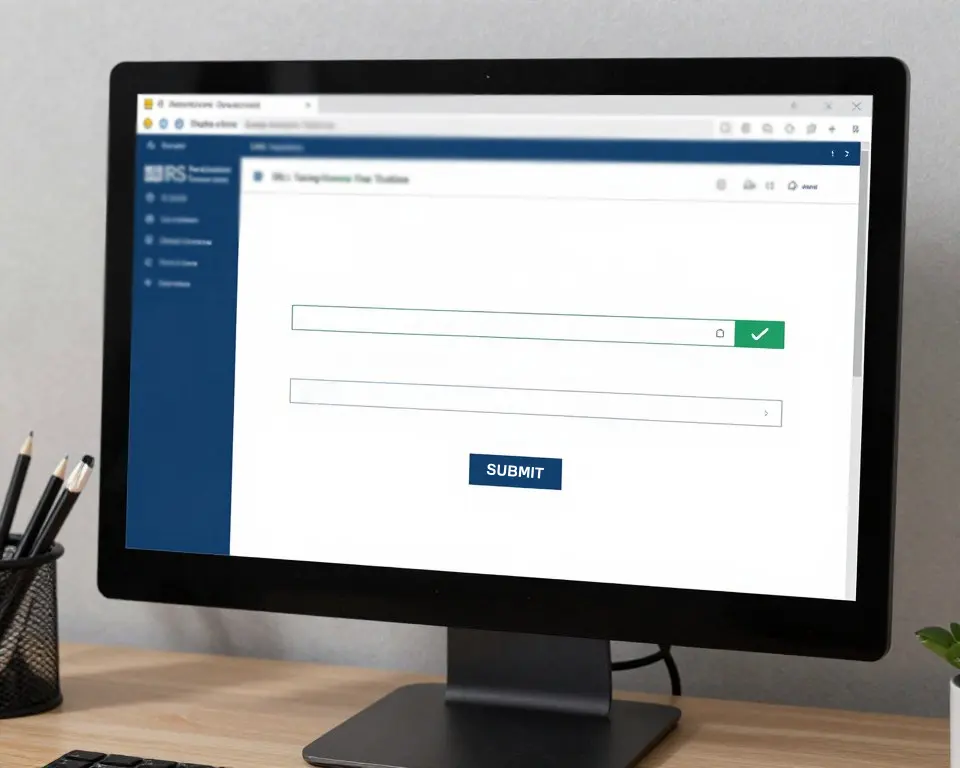
The IRS encourages electronic filing of partnership returns. E-filing offers faster processing and quicker confirmation of receipt.
Many tax software programs support partnership return preparation and electronic submission. Professional tax preparers typically e-file all client returns.
Benefits of E-Filing
Electronic filing provides immediate confirmation that the IRS received your return. This eliminates concerns about lost mail or processing delays.
E-filed returns process faster than paper returns. Expect acknowledgment within 24-48 hours of submission.
Software programs perform automatic error checking. This reduces math errors and missing information that delay processing.
E-Filing Requirements
Partnerships with more than 100 Schedule K-1 forms must e-file. This requirement applies to all partnership returns.
Smaller partnerships can choose between paper and electronic filing. Most find e-filing more convenient despite its optional nature.
Paper Filing Procedures
Mail paper returns to the IRS address specified in Form 1065 instructions. The correct address depends on your business location and whether you include payment.
Use certified mail with a return receipt for paper filings. This provides proof of mailing date and delivery confirmation.
Paper returns take 6-8 weeks or longer to process. Budget extra time if you need IRS confirmation for other purposes.
IRS Processing Timeline
Electronic returns are typically processed within a few weeks. Paper returns may take several months, depending on the IRS workload.
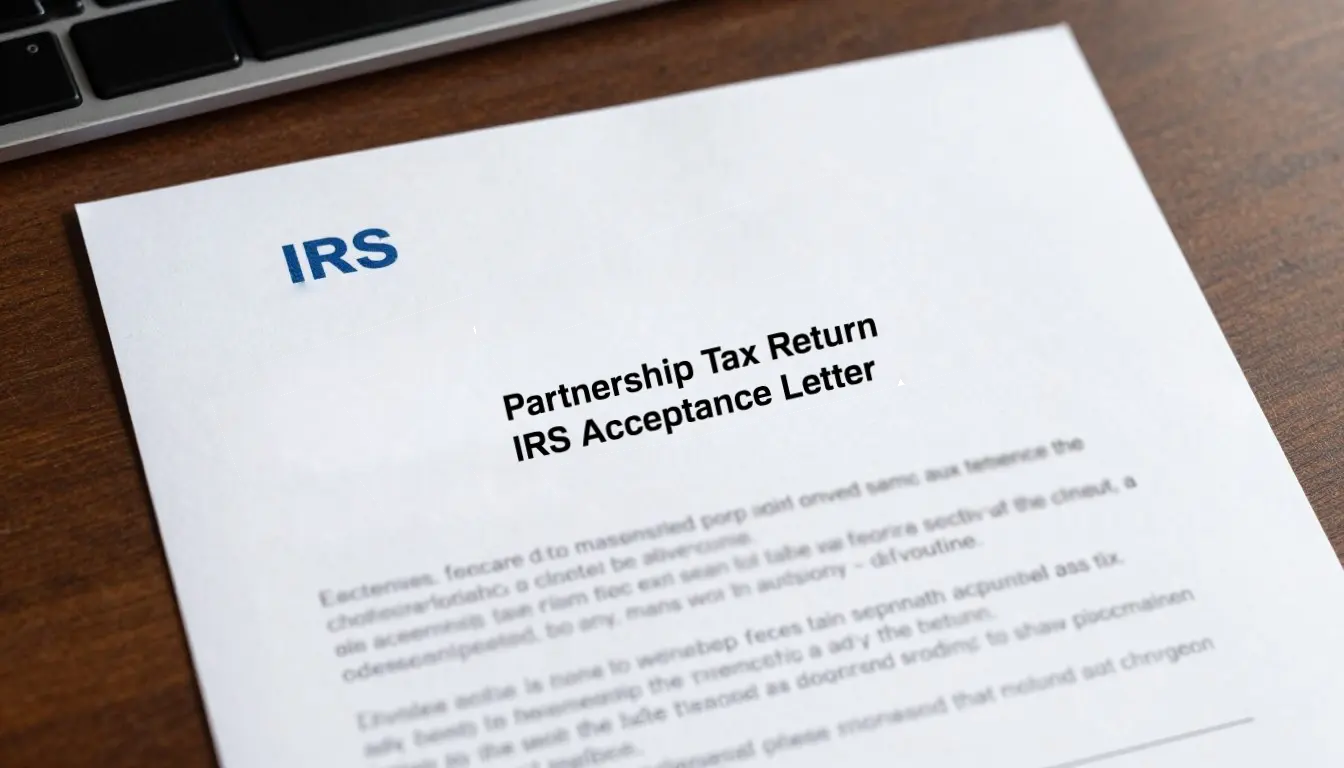
The IRS sends acknowledgment letters after processing. This letter confirms receipt and acceptance of your return.
Some returns trigger automatic review. Reviews can extend processing time, but don’t necessarily indicate problems.
Potential IRS Correspondence
The IRS may request additional documentation to support the reported amounts. Respond promptly with the requested information to avoid penalties.
Math error notices point out calculation mistakes. These notices allow correction without formal audit procedures.
Missing form notices request schedules or attachments not included with your original filing. Submit missing items as soon as possible.
Record Retention Requirements
Keep all partnership records for at least three years after filing each return. This covers the standard IRS audit period.
Some situations require longer retention. Keep records for six years if you underreported income by more than 25%.
Permanent records include partnership agreements, operating documents, and asset acquisition records. These documents may be needed for future reference.
Important Record Retention Tip
Partners may need documentation from prior years for their individual tax returns. Provide partners with copies of key documents each year for their records. Include their annual Schedule K-1, asset distribution records, and capital account statements in the information you share.
Estimated taxes for partners
Unlike employees who have taxes withheld from their paychecks, partners in a partnership are generally required to make quarterly estimated tax payments to the IRS. Because partnership income passes through directly to each partner, the partnership itself does not pay federal income tax. Instead, each partner is responsible for reporting their share of income, deductions, and credits on their individual return and paying taxes accordingly.
Partners must make estimated payments if they expect to owe at least $1,000 in federal taxes for the year.
These payments are due four times a year:
- April 15
- June 15
- September 15
- January 15 of the following year.
Underpaying estimated taxes can result in a penalty, even if a refund is ultimately due when the annual return is filed. Partners should use IRS Form 1040-ES to calculate and submit their quarterly payments. Reviewing each year’s Schedule K-1 promptly helps partners estimate their tax liability and avoid underpayment penalties.
Amended returns (1065-X)
If errors or omissions are discovered after a Form 1065 has been filed, the partnership must file an amended return using Form 1065-X. Common reasons for amending a partnership return include correcting income or deduction figures, updating partner allocations, or responding to changes resulting from an IRS audit or partner-level adjustments.
An amended return must be filed for each tax year that requires correction. When a partnership files Form 1065-X, it must also issue corrected Schedule K-1s to all affected partners so they can amend their individual returns if necessary. Partners generally have three years from the original filing deadline to file an amended individual return and claim any resulting refund. Partnerships should act quickly once an error is identified, as delays can compound penalties and interest owed by individual partners.
Audit risk triggers
While most partnership returns are processed without issue, certain factors can increase the likelihood of an IRS audit. Large or unusual deductions, significant year-over-year fluctuations in income, and inconsistencies between the Form 1065 and individual partner returns are common red flags. The IRS also pays close attention to partnerships that report consistent losses over multiple years, as these may suggest improper use of the partnership structure to offset personal income.
Other audit triggers include failure to report all income, misclassification of expenses, and errors in partner capital accounts or distributions. Related-party transactions, such as loans or payments between partners and the partnership, are also subject to heightened scrutiny. Maintaining thorough, well-organized records and ensuring that all reported figures reconcile across forms is the best defense against an audit. If an audit is initiated, partnerships should respond promptly, provide complete documentation, and consider engaging a qualified tax professional to represent their interests before the IRS.
State filing obligations
In addition to federal requirements, most partnerships must file state tax returns in every state where they conduct business or have partners. Each state has its own filing rules, deadlines, and forms, which may differ significantly from federal requirements. Some states impose a partnership-level tax or annual registration fee, regardless of whether the partnership earned income in that state.
Partnerships operating in multiple states must also consider how income is apportioned across those states, as each state uses its own apportionment formula. Partners who live in different states from where the partnership operates may face additional filing obligations in their home states. Failure to file required state returns can result in penalties, interest, and potential loss of the right to do business in that state. It is important to consult with a tax professional familiar with multi-state taxation to ensure full compliance with all applicable state and local requirements.
Conclusion
Filing a Form 1065 is only one step in meeting a partnership’s annual tax obligations. After filing, partnerships must be prepared for IRS processing, potential correspondence, and compliance with record-retention requirements. Ensuring accurate documentation and timely responses to any IRS notices helps avoid unnecessary delays or penalties. Additionally, partners should carefully review their Schedule K-1 each year and understand how their share of partnership income, deductions, and credits affects their individual tax return. Proper planning and attention to post-filing responsibilities will ensure a smooth and compliant process for both the partnership and its partners. The Chamberlain Accounting Firm provides a full range of services, including individual tax returns (1040), business returns (1065, 1120, 1120S), and comprehensive bookkeeping solutions, and we specialize in law firm accounting as well. We proudly serve clients throughout Bergen County, New Jersey, and nearby communities, as well as multiple states across the U.S. For personalized guidance and reliable support, reach out to us online or call (201) 371-3344 today.
Disclaimer: This article is provided for general informational purposes only and does not constitute accounting, tax, or financial advice. The information contained herein is not intended to be relied upon for specific tax, accounting, or financial decisions, and may not reflect current tax law or guidance. No opinion expressed herein may be used for the purpose of avoiding penalties under federal, state, or local tax laws. Readers should consult with a qualified accounting or tax professional regarding their specific circumstances. This communication does not create an accountant-client or advisory relationship.