
In this Article
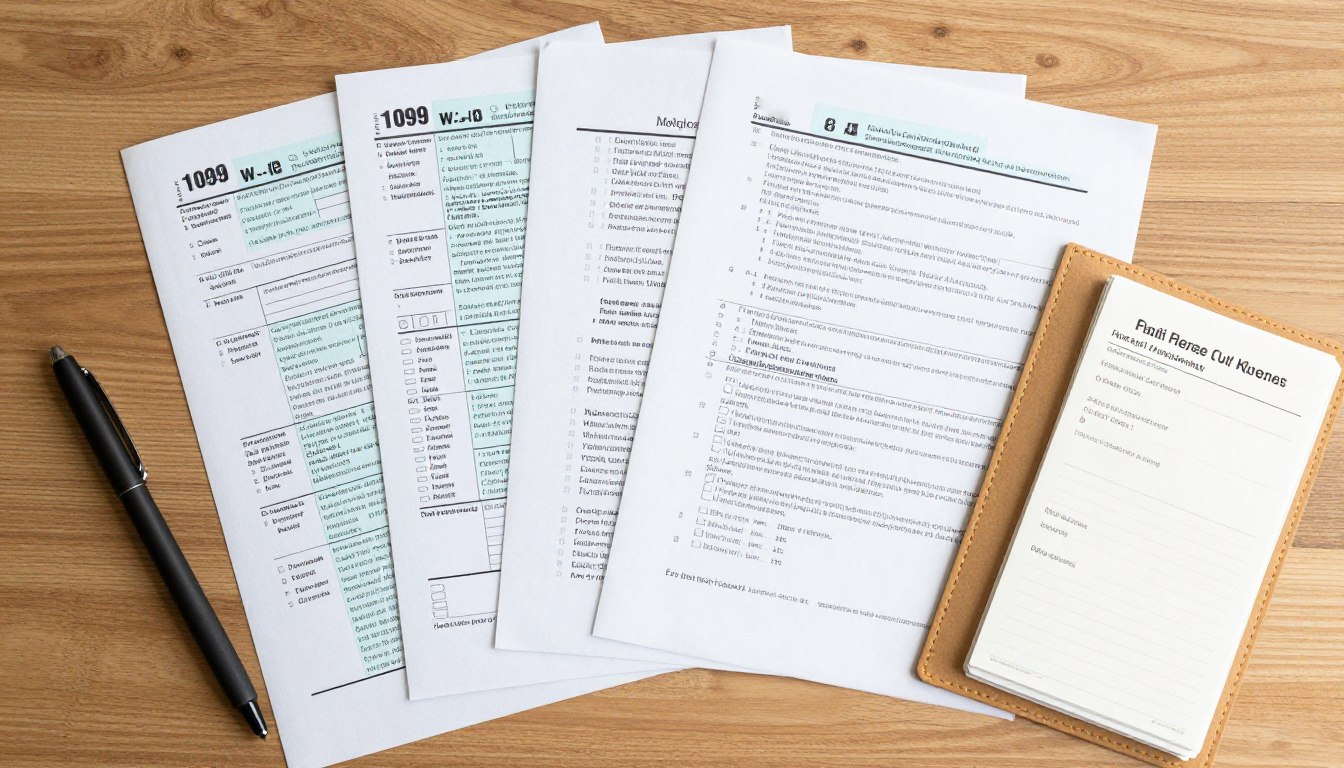
Proper tax deadline preparation begins with gathering all necessary documentation. Missing even a single form can delay your filing or result in an inaccurate return that requires amendment later. The specific documents you need depend on your income sources and tax situation, but most taxpayers require several standard forms and records.
Starting your document collection now, rather than waiting until days before the deadline, gives you adequate time to request duplicates if anything is missing. Employers and financial institutions have until January 31, 2026, to mail most tax forms, meaning you should receive everything by mid-February at the latest. If a form has not arrived by late February, contact the issuer immediately to request a replacement.
Income Documentation for Your Tax Return
- Form W-2 from all employers showing wages, salary, and tax withholding for calendar year 2025
- Form 1099-NEC reporting self-employment income from freelance work, contracting, or side businesses
- Form 1099-INT showing interest income from bank accounts and savings
- Form 1099-DIV reporting dividend income from investments
- Form 1099-B detailing sales of stocks, bonds, or other securities
- Form 1099-G for unemployment compensation or state tax refunds
- Form 1099-R showing distributions from retirement accounts including IRAs and 401(k) plans
- Schedule K-1 if you are a partner in a business partnership or shareholder in an S corporation
Each income document you receive must be reported on your federal income tax return. The IRS receives copies of these same forms and matches them against your filing. Missing income on your return triggers automated notices and potential audits. Organizing these documents now ensures accurate reporting and helps you avoid IRS inquiries later in the year.
Deduction and Credit Supporting Documents
Beyond income documentation, you need records supporting any deductions or credits you plan to claim. The IRS does not require you to submit these documents with your return, but you must maintain them for at least three years in case of an audit. Gathering this documentation now helps you identify all eligible deductions during tax deadline preparation.
Homeownership Documents
- Form 1098 showing mortgage interest paid
- Property tax statements from your county or municipality
- Private mortgage insurance premium statements
- Records of home improvements for energy efficiency credits
Healthcare and Medical Records
- Form 1095-A if you purchased health insurance through the marketplace
- Medical expense receipts if you itemize deductions
- Health savings account contribution statements
- Long-term care insurance premium records
Education Expenses
- Form 1098-T showing qualified education expenses
- Form 1098-E reporting student loan interest paid
- Receipts for books and required course materials
- Records of 529 plan distributions if used for education
Charitable Contributions
- Donation receipts from qualified charitable organizations
- Bank records or credit card statements showing donations
- Written acknowledgment for any single donation over two hundred fifty dollars
- Appraisals for non-cash donations exceeding five thousand dollars
Business and Self-Employment Records
Self-employed individuals and small business owners need comprehensive records of business income and expenses. The IRS scrutinizes these returns more carefully, making accurate documentation essential during tax deadline preparation.

Maintain detailed records, including business mileage logs, receipts for supplies and equipment, records of business meals, home office measurements and expenses, and documentation of business-related travel. For expenses exceeding seventy-five dollars, the IRS requires written records rather than estimates. Proper recordkeeping throughout the year makes tax preparation straightforward and supports your deductions if questioned.
Prior Year Tax Returns and Personal Information
Your 2024 federal income tax return serves as a valuable reference when preparing your 2025 return. It helps identify income sources you might have forgotten and shows which deductions you previously claimed. The prior year return also provides your adjusted gross income, which some tax software requires for identity verification.
Ensure you have Social Security numbers for yourself, your spouse, and all dependents. The IRS matches these numbers against Social Security Administration records. Incorrect or missing Social Security numbers cause processing delays and may disqualify you from valuable credits like the Child Tax Credit or Earned Income Tax Credit. Verify these numbers now rather than discovering errors at the last minute.
Conclusion
Gathering all necessary documents is a crucial first step toward a smooth and accurate tax filing. Proper preparation helps ensure you report all income, claim eligible deductions and credits, and avoid costly mistakes or delays. Starting early gives you time to request missing forms, verify information, and stay organized throughout tax season. If your tax situation is complex or you’re unsure about any part of your filing, working with an experienced tax professional can provide clarity and help you maximize potential savings. The Chamberlain Accounting Firm provides comprehensive Accounting and Tax services, including Individual (1040) and Business Returns (1065, 1120, 1120S), as well as full Bookkeeping support with specialized solutions for Law Firm accounting. We serve clients across Bergen County, New Jersey, nearby communities, and multiple states nationwide. Reach out to us or call (201) 464-1011 for expert guidance and personalized assistance tailored to your needs.
Frequently Asked Questions
You should collect all income, deduction, and credit-related documents, including W-2s, 1099s, 1098s, and receipts for charitable donations, medical expenses, and education costs. Additionally, prior year tax returns and Social Security numbers for yourself, your spouse, and dependents are essential for accurate filing.
Starting early ensures you have time to request any missing forms, verify all information, and stay organized. Missing documents can delay your filing, lead to inaccurate returns, and trigger IRS notices or audits.
No, the IRS does not require submission of supporting documents with your return. However, you must retain records for at least three years in case of an audit, including receipts, statements, and other documentation that support your deductions or credits.
Yes, an experienced tax professional can help ensure you collect all necessary documents, identify eligible deductions and credits, and avoid mistakes. The Chamberlain Accounting Firm offers comprehensive Accounting and Tax services.
Disclaimer: This article is provided for general informational purposes only and does not constitute accounting, tax, or financial advice. The information contained herein is not intended to be relied upon for specific tax, accounting, or financial decisions, and may not reflect current tax law or guidance. No opinion expressed herein may be used for the purpose of avoiding penalties under federal, state, or local tax laws. Readers should consult with a qualified accounting or tax professional regarding their specific circumstances. This communication does not create an accountant-client or advisory relationship.