
In this Article
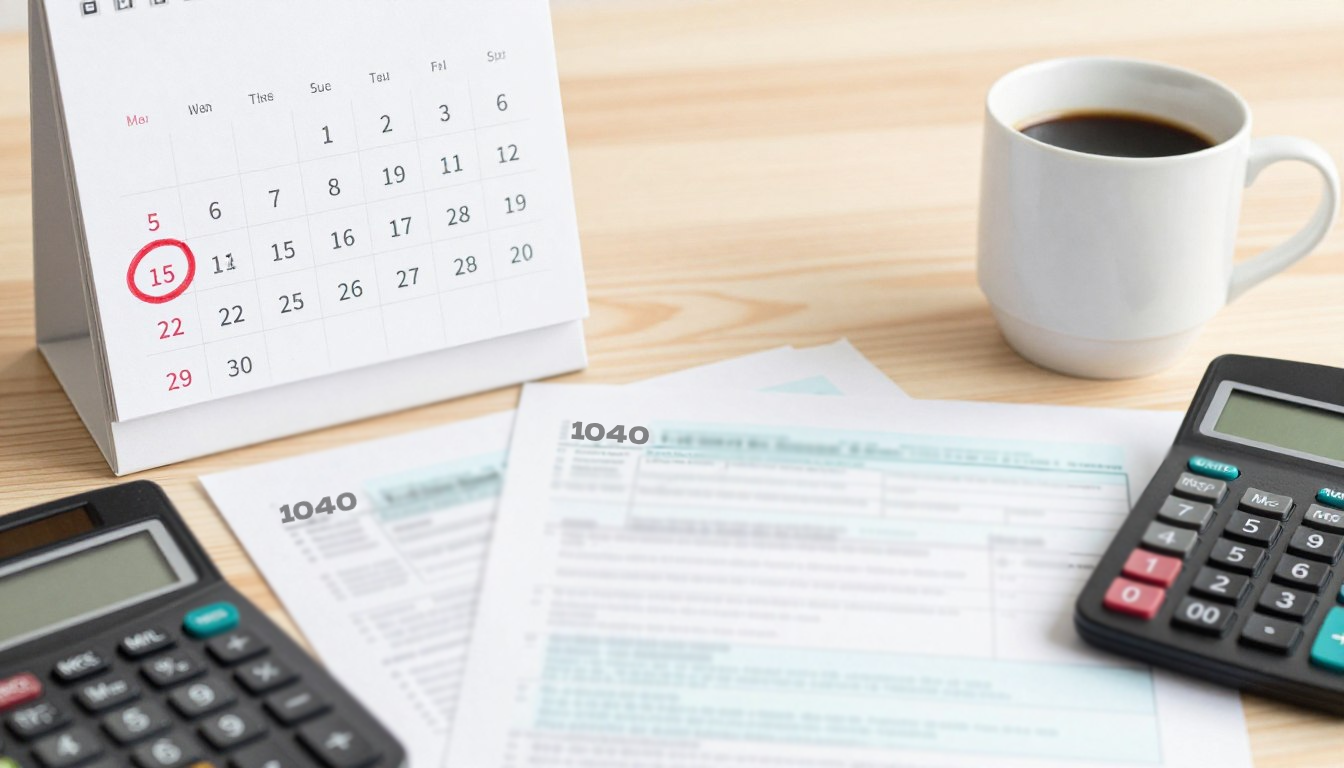
With less than two months remaining before the federal income tax filing deadline of April 15, 2026, now is the critical time to begin your tax deadline preparation. Every year, millions of taxpayers wait until the final weeks to gather documents, review their income, and complete their tax returns. This procrastination creates unnecessary stress, increases the likelihood of costly errors, and often results in missed deductions that could have reduced your tax bill significantly.
The reality is simple: filing your federal income tax return early provides substantial advantages. You gain adequate time to organize tax documents thoroughly, identify valuable tax-saving opportunities, and avoid the last-minute rush that leads to mistakes.
Why Should You File Your Taxes Early Instead of Procrastinating

The benefits of early tax filing extend far beyond simply checking a task off your list. When you begin your tax deadline preparation with adequate time, you position yourself for financial advantages and peace of mind that last-minute filers never experience.
Early filers consistently report lower stress levels during tax season. Instead of racing against the clock, you can methodically review each section of your income tax return, double-check calculations, and ensure accuracy. This careful approach reduces errors that could trigger IRS audits or result in penalties.
Perhaps most importantly, starting your tax preparation now allows you to identify planning opportunities before the deadline passes. You may discover you have until April 15, 2026, to make contributions to your IRA or health savings account that reduce your 2025 taxable income. These last-minute contributions can save hundreds or even thousands in federal income tax, but only if you know about them in time.
The Financial Cost of Procrastination
Delaying your tax filing carries tangible financial consequences. The IRS imposes substantial penalties for late filing and late payment. If you owe taxes and file after the April 15 deadline without requesting an extension, you face a failure-to-file penalty of five percent of the unpaid tax amount for each month your return is late, up to a maximum of twenty-five percent.
Additionally, interest accrues on unpaid tax balances from the original due date until you pay in full. This interest compounds daily, making each day of delay more expensive. For taxpayers who owe several thousand dollars, these penalties and interest charges can add hundreds of dollars to their tax bill within just a few months.
Beyond penalties, procrastination often causes you to overlook valuable tax credits and deductions. When rushing to meet the deadline, taxpayers frequently forget to report charitable contributions, medical expenses, or business deductions that could reduce their tax liability. These missed opportunities represent real money left on the table.
What Are the Benefits of Preparing Your Taxes Early?
- Avoid Late Filing Penalties and Interest Charges
Preparing your taxes early ensures you meet the April 15, 2026, deadline comfortably. If you wait until the last minute, you risk failure-to-file and failure-to-pay penalties, which can accumulate quickly. For example, a taxpayer owing $5,000 who files three months late without an extension could face $750 in penalties plus interest, easily exceeding $850 in extra costs. Filing early keeps more money in your pocket.
2. Reduce Stress and Avoid Last-Minute Scrambles
Early preparation gives you ample time to gather documents, review income, and resolve questions without panic. You won’t have to scramble for missing forms or deal with the stress of unexpected balances due.
3. Plan Your Payments Strategically
Discovering you owe a large tax bill at the last minute leaves limited options. Preparing early allows time to explore IRS payment plans, savings, or other financing options. Short-term plans give up to 180 days to pay with minimal fees, while long-term installment agreements spread payments over time.
4. Access Refunds Sooner
If you’re due a refund, filing early means getting your money faster. Electronically filed returns are typically processed within 21 days. Filing in February could mean receiving your refund in early March, giving you extra time to save, invest, or pay down debt.
5. Maximize Tax Opportunities
Early preparation also allows you to review deductions, credits, or strategies that could lower your tax liability. This is especially important for taxpayers with complex finances, multiple income streams, or business activities.
How Can You Avoid Late Filing Penalties?
Understanding IRS penalty structures helps you appreciate why tax deadline preparation matters so much. The federal tax system operates on a pay-as-you-go basis, meaning you should pay taxes throughout the year through withholding or estimated payments. Failing to file your return or pay taxes owed by April 15, 2026, triggers automatic penalties that accumulate quickly.
Late Filing Penalties Explained
The failure-to-file penalty equals 5% of your unpaid tax for each month or partial month your return is late, up to a maximum of 25%. This means if you owe three thousand dollars and file four months late, you face a six hundred dollar penalty on top of your original tax liability.
The penalty calculation becomes more severe if both late filing and late payment penalties apply. When your return is more than sixty days late, the minimum failure-to-file penalty equals the lesser of one hundred percent of the unpaid tax or five hundred fifty dollars for returns due in 2026. This harsh minimum penalty applies even for relatively small tax bills, making timely filing critical regardless of the amount owed.
Late Payment Penalties and Interest
Even if you file your income tax return on time, paying your tax bill late triggers a separate failure-to-pay penalty. This penalty equals one-half of one percent of the unpaid tax for each month or partial month the tax remains unpaid, up to twenty-five percent maximum. While this penalty accrues more slowly than the failure-to-file penalty, it still represents a high additional cost.
Interest compounds daily on both unpaid tax and accumulated penalties. The IRS sets interest rates quarterly based on the federal short-term rate plus three percentage points. For the first quarter of 2026, the interest rate on underpayments stands at eight percent annually. This means a five-thousand-dollar unpaid tax balance accumulates approximately four hundred dollars in interest over twelve months, independent of any penalties.
Important: Filing for an automatic extension by April 15, 2026, eliminates the failure-to-file penalty entirely, but you must still pay at least ninety percent of your actual tax liability by the original deadline to avoid or minimize failure-to-pay penalties and interest charges. An extension gives you more time to file, but does not extend the payment deadline.
Conclusion
Waiting until the last minute to file your taxes creates stress, increases the risk of errors, and can cost you money in penalties and missed deductions. By starting your tax preparation now, you give yourself the time to review your documents carefully, identify opportunities to reduce your tax liability, and plan strategically for any payments or refunds. Early filing isn’t just about meeting deadlines; it’s about gaining peace of mind and financial confidence. Don’t let procrastination dictate your tax season. Contact us or call us on (201) 464-1011 to get started today, and let us help you simplify the process, maximize your savings, and file with confidence before the April 15, 2026, deadline.
Frequently Asked Questions
Filing early reduces stress, minimizes errors, and gives you time to identify tax-saving opportunities. It also helps ensure you don’t miss deductions or credits that could lower your tax bill. Early preparation gives you peace of mind and financial control before the April 15, 2026, deadline.
Delaying your taxes can lead to failure-to-file and failure-to-pay penalties, as well as daily compounding interest on unpaid balances. For example, a $5,000 unpaid tax balance filed three months late could incur $750 in penalties plus interest. Procrastination can also cause you to overlook valuable deductions or credits, leaving money on the table.
To avoid penalties, file your federal tax return by April 15, 2026, and pay at least 90% of your tax liability by that date. If you need more time, filing for an automatic extension allows extra time to submit your return without incurring the failure-to-file penalty, though interest and late payment penalties may still apply to any unpaid taxes.
Preparing your taxes early offers multiple advantages beyond meeting the deadline. You can reduce stress, avoid last-minute scrambles, plan payments strategically, and receive any refunds sooner. Most importantly, early preparation allows you to take full advantage of deductions, credits, and other tax strategies, maximizing potential savings and ensuring financial confidence throughout the tax season.
Disclaimer: This article is provided for general informational purposes only and does not constitute accounting, tax, or financial advice. The information contained herein is not intended to be relied upon for specific tax, accounting, or financial decisions, and may not reflect current tax law or guidance. No opinion expressed herein may be used for the purpose of avoiding penalties under federal, state, or local tax laws. Readers should consult with a qualified accounting or tax professional regarding their specific circumstances. This communication does not create an accountant-client or advisory relationship.