

In this Article
Exactly how long a tax refund takes depends on the filing method, delivery choice, and whether the IRS needs extra checks on your return. This guide explains typical refund timelines and what can delay a refund.
How Long Does It Usually Take to Get a Tax Refund?
Here are typical timelines for different methods.
- E-filing with Direct Deposit: This is the fastest option. The IRS says most refunds are issued within 21 days after your return is accepted. Many people see the money in their bank account within 8–14 days.
- Paper Filing with Direct Deposit: If you mail a paper federal tax return, processing takes longer. Expect about 6 to 8 weeks, or longer, after the IRS receives your return for the refund to post to your bank account.
- Paper Filing with a Paper Check: This is usually the slowest route. A mailed check refund may take 6 to 8 weeks or longer, depending on IRS processing and U.S. mail delivery.
A few quick clarifications to help you understand these timelines:
- “Accepted” means the IRS has reviewed your return for obvious errors and accepted it into processing; the refund clock starts when that acceptance happens.
- The IRS tool and many tax software programs show status updates in days. The estimated number of days counts business days and IRS processing time, not mail transit time for paper returns.
- State tax refunds follow different timetables. Each state has its own website and processing speeds, so check your state’s tax website for state refund timing.
Factors That Can Affect Your Refund Timing+
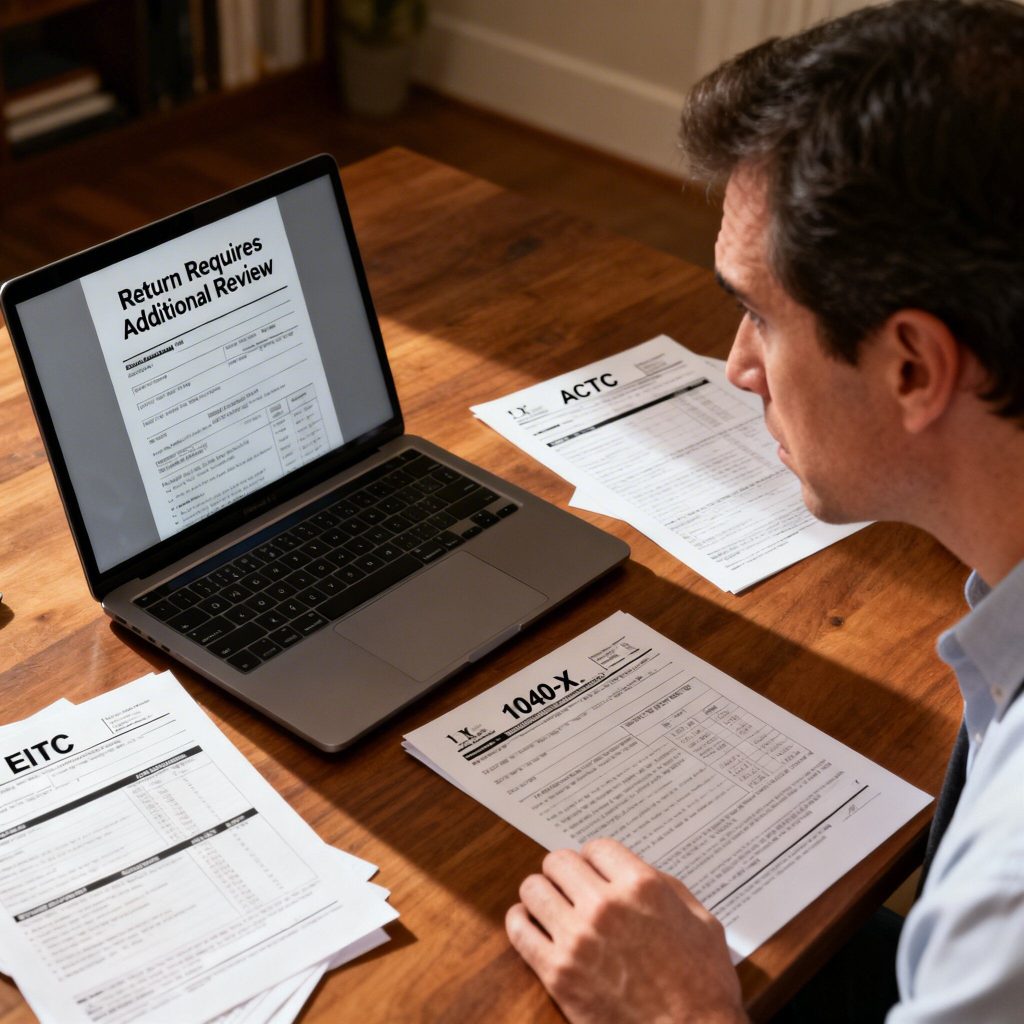
Several common reasons can delay the date you receive your refund. Below are the main factors and their implications for timing.
- Errors or incomplete information: Simple mistakes, wrong Social Security numbers, incorrect bank routing or account numbers, math errors, or missing signatures can cause the IRS to pause processing. If the IRS needs more information, it will contact you, which adds time to your refund.
- Special credits or forms (EITC, ACTC): If you claim certain tax credits, like the Earned Income Tax Credit (EITC) or the Additional Child Tax Credit (ACTC), the IRS may hold your refund for extra review to prevent fraud. That means refunds that include these credits often start being processed later in the tax season, which can add several weeks.
- Identity theft or fraud prevention: If the IRS flags your return for possible identity theft or fraud, it will take extra steps to verify your identity. That can significantly delay your refund until the IRS completes its checks.
- Amended returns: If you file an amended return, expect a longer wait. Amended federal returns often may take 8 to 12 weeks or more to process, depending on the IRS backlog.
In short, errors, certain credits (like the earned income tax credit and child tax credits), identity checks, and amended returns are the main reasons your refund may take longer. Fixing mistakes before you file and responding quickly to IRS requests can reduce delays.
How to Check Your Refund Status
To check your federal tax refund status, use the IRS’s “Where’s My Refund?” tool on the IRS website or the IRS2Go mobile app. Both let you quickly check the status and see if your refund is being processed or in transit to you.
You’ll need three pieces of information to use the tool:
- Your Social Security number (or ITIN). If you don’t have an SSN, use your Individual Taxpayer Identification Number (ITIN).
- Your filing status (single, married filing jointly, etc.).
- The exact refund amount is shown on your tax return.
The tool updates once daily, usually overnight, so check back frequently for new information. If the site shows a problem, it will explain the next steps or any documents the IRS needs.
Quick answers to common status questions:
- How do I check my tax refund status? — Use the IRS “Where’s My Refund?” tool online or the IRS2Go app and enter your SSN/ITIN, filing status, and refund amount.
- What if I don’t have my Social Security number? — Use your ITIN if that’s what you used on the return. If neither applies, contact the IRS for guidance.
- The amount shown in the IRS tool differs from the amount on my return. What now? — Small mismatches may come from rounding or adjustments; if the tool shows a different amount and no explanation, follow the IRS instructions or wait for mail from the IRS explaining the change.
Security tip: only use the official IRS website or the IRS2Go app to check status. The IRS will never ask for your bank PIN or full account passwords online.
Tips to Get Your Refund Faster

- File early: The earlier you file in the tax season, the sooner the IRS can process your federal tax return and issue your refund. Filing early also reduces the chance that identity thieves will file in your name first.
- E-file and choose direct deposit: E-filing plus direct deposit is the fastest, most secure way to get your refund. It avoids mail delays and check printing. When you select direct deposit, enter your bank routing and account numbers carefully to prevent deposit mistakes.
- Double-check your return before submitting: Verify names, Social Security numbers, bank routing and account numbers, and math. Accurate returns are less likely to be held for review, which shortens processing time.
A short checklist to copy before you file:
- Confirm your Social Security numbers and names match Social Security records.
- Double-check bank routing and account numbers for direct deposit (no dashes or spaces).
- Make sure the required forms for credits (child credits, EITC) are complete and supported by documentation.
- Keep a copy of your filed return and any confirmation emails or PDFs.
When to contact the IRS: if the IRS tool shows no status after the typical processing window for your filing method (for example, more than 21 days after e-file acceptance or longer than the expected weeks for paper filing), follow the tool’s guidance. Don’t call immediately—use the website and the “Where’s My Refund?” tool first.
Note about state refunds: state tax refunds are handled by each state’s tax agency and may take different amounts of time. Check your state tax website for state-specific timelines and tools.
Conclusion
If you e-file your federal tax return and choose direct deposit, most tax refunds arrive within about three weeks after acceptance. Paper returns and paper checks typically take longer, often several weeks, especially if the IRS needs extra review for errors, special credits, or suspected fraud.
To ensure you get your refund, check your refund status on the IRS “Where’s My Refund?” tool (or the IRS2Go app) using your Social Security number or ITIN, filing status, and the exact refund amount. If the tool shows a longer delay, follow its guidance before contacting the IRS.
Timelines can vary by tax season and IRS workload. Keep copies of your return, monitor the tool daily (it updates overnight), and respond quickly to any IRS requests to help get your refund as soon as possible.
For complex tax situations or if you’re uncertain about any aspect of your taxes, consulting with a qualified tax professional can provide peace of mind and potentially uncover tax-saving opportunities you might otherwise miss. At The Chamberlain Accounting Firm, we offer Accounting and Tax preparation services, from individual and business returns to providing complete bookkeeping support, including dedicated solutions for Law Firm accounting. We assist clients throughout Bergen County, New Jersey, and surrounding communities, as well as in multiple states across the U.S. Contact us or call (201) 464-1011 for reliable, professional assistance tailored to your needs.